
Credit Builder, also known as trade line is a term commonly used in the credit world to refer to credit accounts on your credit report. The credit reporting agencies use the credit activities of credit builders on your report to calculate your credit score.
Understanding how credit builders work helps you understand your credit habits better and apply that knowledge to improve your credit score.
What is a Credit Builder on a Credit Report?
Credit Builder is a record of all activities associated with the borrower’s credit account. It is established on a borrower’s credit report when they get approved for credit.
Two main kinds of credit builder that get reported by the creditor are revolving and installment. A revolving credit builder is a line of credit or a credit card account – which lets the borrower use credit when needed (up to their credit limit).
An installment credit builder is a loan of a monthly set amount – such as student loans, mortgages, and auto loans.
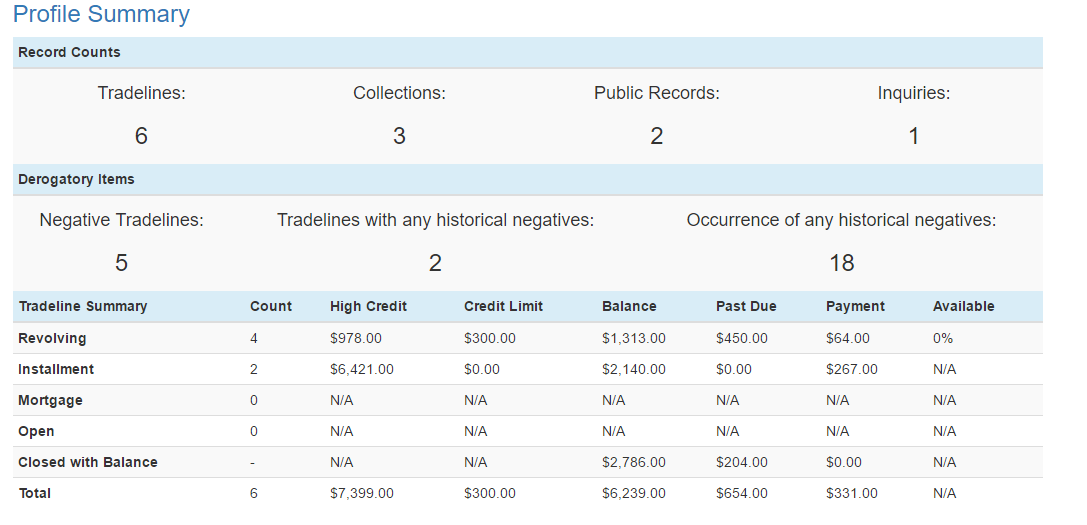
Understanding Credit Builders: How Do Credit Builders Work on a Credit Report?
Credit bureaus use the information of trade lines from your credit report to calculate a credit score, a 3-digit number that measures your creditworthiness. If you’ve been managing your finances well – such as making payments on time and keeping your balances low, your credit report will have an excellent history.
The credit builders details contain different types of data such as:
- Information about the lender and creditor
- The type of credit getting approved
- Payment status
- Account milestones like credit limit
- Payment history
- Missed payments
- Total amount owed
One of the most significant factors that determine your credit score on credit builders is payment status. It indicates whether a payment has been made on time, and if not, how late it is.
An important thing to note is even after an account has been closed, the trade line typically remains on their credit report for about 7 years.
What are Credit Builders Used for?
Before approving a loan application, the lender tends to look at your credit score – which is a snapshot of your creditworthiness and examine your credit builders to get more information.
However, they might need to get more detailed information about your credit history. In that case, they use the information included in your credit builders to calculate your creditworthiness.
Payment history is the major contributing factor to your credit scores and it accounts for about 35% of your credit builder. If you have a high utilization then lenders can look at your credit builder to determine whether it’s a concern or not.
Why Would Someone Buy a Credit Builder?
There are several reasons why you would purchase a credit builder:
- If you have a thin file i.e., less than 5 credit accounts on your report
- Your credit score is low
- Your utilization is high
- Or your average credit age is short
Let’s give a concrete example of why you would want to buy a paid credit builder.
For instance, if you have a couple of missed payments on your credit report and need to improve your credit wordiness, buying credit builders could help boost your score. How? Because the credit builder with 100% on-time payment will help reduce the effect of the delinquency on your credit report.
Or say you have a high credit utilization rate and you’ve used 30% or more of your credit card credit builder, it can cause your score to drop. Paid credit builders for sale with a high limit can help increase your available credit, reduce your credit utilization, and therefore increase your credit score.
Here’s an actual example. Let’s say your credit limit is $2,500 and you’ve used $2,000 of your credit limit. Your credit card utilization is 80%.
$2,000 / $2,500 = 0.80
Purchasing credit builders credit with a $7,500 limit will reduce the utilization to 20%, lower utilization, and could boost your credit score.
Note: buying credit builders does not replace practicing excellent credit habits to improve your credit score. In fact, you will get the most benefit from a paid credit builder if you continue to practice excellent credit habits and don’t have derogatory remarks on your credit profile in the last 12 months.
For an in-depth view of whether a credit builder is a good fit based on your specific situation, try our credit builder credit calculator.
How is Credit Builder Information Collected?
Creditors and lenders you have your credit accounts with send information to the credit bureaus on a monthly basis. The information transferred contains the most recent information from each of your credit builders.
To stay updated on the information on your credit accounts, you can order your free credit reports. The federal law states that you are entitled to one free credit report per year from each of the major credit bureaus. To order it online, go to the Annual Credit Report website.
Once you’ve received your credit reports, check them thoroughly for errors. Common errors include:
- Misspelled name
- Transposed date of birth
- An address you never lived in
- An account you never opened
- Hard inquiry for a credit builder you didn’t apply for
If there are any, report to the credit bureau to get them removed.
Keep in mind that credit builders you don’t recognize appearing on your credit reports is a sign of identity theft. They should be disputed with the credit bureau ASAP.
When are Credit Builders Removed?
There are typically only two ways credit builders are removed from your credit report:
- You dispute an open credit builder
- A closed account has been longer than 7 years
If you dispute a credit builder with the credit bureaus that shows up as open and they approve the dispute, the credit builder will be deleted from your report. You can use this process to remove incorrect credit builders or fraudulent credit builders from your credit report.
The other way credit builders get removed from your report is when a closed account is past 7 years. Based on the status of limitation, lenders or creditors are not required to report on the status of credit builders older than 7 years. However, they will usually keep the account on your report between 7 – 10 years.
Try out our credit builder calculator to see the potential impact on your credit health.
Thanks for sharing this valuable information And share about its Most Important Things.